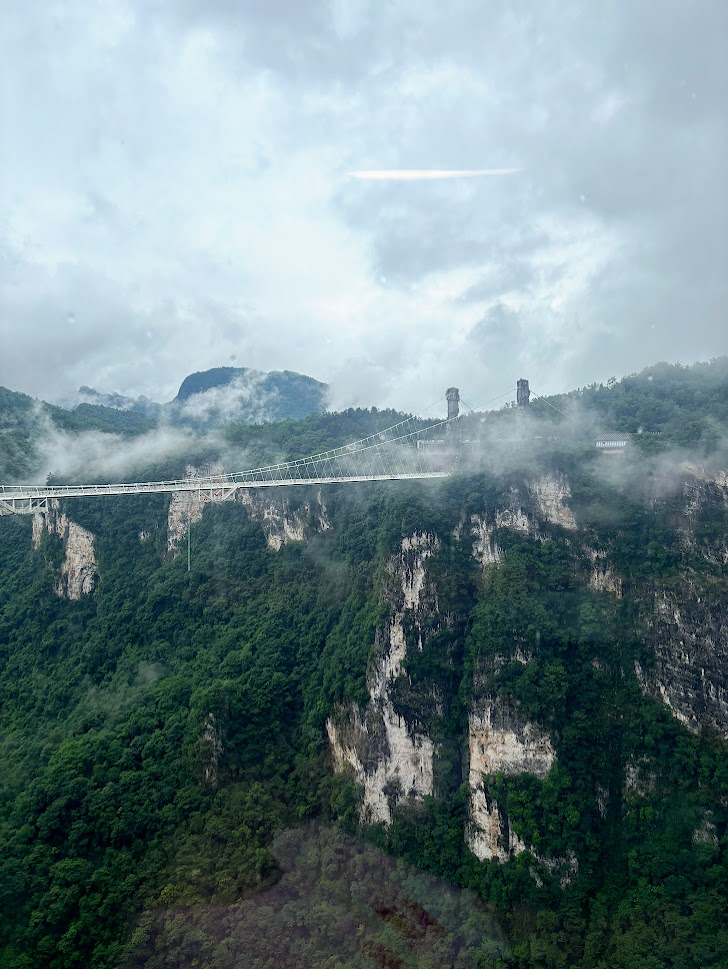
Standing 300 meters (984 feet) above the dramatic Zhangjiajie Grand Canyon, the world’s longest and highest glass-bottomed bridge is designed to test your limits. Forget viewing platforms—this is a genuine skywalk experience.
We visited the Zhangjiajie Glass Bridge as a dedicated part of our trip to the wider Zhangjiajie area. If you’ve seen the Zhangjiajie Avatar Mountains, this is the perfect follow-up. This guide details our personal experience, gives you the practical logistics, and tells you exactly how to combine it into your full China travel itinerary.

Disclaimer: this post contains affiliate links. By purchasing through our links, you can help support us at no additional cost. Thanks for your support! Please see our here for details.
How Scary is the Zhangjiajie Glass Bridge, Really?
We can confirm: it’s perfectly safe, but the experience is incredibly unnerving.
The bridge itself is a marvel of engineering. It’s built to hold large crowds and withstand extreme weather. Yet, walking out over the glass and seeing the canyon floor drop away beneath your feet takes some serious getting used to.
- The Initial Step: That first step onto the transparent floor is where the reality hits. The sheer vertical distance is breathtaking.
- The Unnerving Feeling: Even though you know the glass is strong, your mind rebels. You’ll see plenty of people moving slowly, hugging the solid railings, or testing the glass with a tentative foot.
- The Bungee Jump: The sheer scale of the bridge is best understood when you see the bungee jumping platform. Watching travelers voluntarily leap off the side is a wild sight and immediately proves how high you are. It’s a jaw-dropping spectacle that ramps up the thrill factor for everyone on the bridge.
The biggest thing to bring? Courage. The reward is an unmatched view of the massive valley below.
What Are the Best Tips for Visiting the Zhangjiajie Glass What Are the Best Tips for Visiting the Zhangjiajie Glass Bridge? (Logistics)
Visiting the bridge is slightly different from wandering the National Forest Park. It’s a structured experience with its own rules and entry points.
Ticketing and Entry
We purchased our tickets upon arrival. This gave us direct access to the bridge experience itself.
- Current Pricing: The most popular ticket is the combined entrance, typically Ticket B, which covers the Grand Canyon and the Glass Bridge. Expect to pay around CNY 178–219 ($25–$31 USD) for this combined ticket, as the tour is generally one-way.
- The Big Thrill: Bungee jumping is available from the platform, but it’s a separate, high-cost ticket around CNY 3,000 ($429 USD) and requires separate booking.
- Important: Unlike the main Avatar mountains, there are strict rules about what you can carry. You cannot take backpacks or professional cameras onto the glass bridge. Lockers are available for storage before you enter the main bridge area.
- Photography: You must rely on small handheld cameras or your phone. We saw many people using the official photography service for professional-grade images.
Getting There and Personal Transfers
The Grand Canyon area is about 60 km from Zhangjiajie City (the main city) and takes about an hour to reach by car or taxi (costing roughly CNY 100–150 ($14–$21)). Public buses are available but require more transfers.
We were fortunate: our amazing host at our accommodation provided pickup and drop-off right at the gate. On the way, he even took us on a detour to see his mugwort factory, which was a fantastic, authentic cultural experience we would have missed otherwise!
Crowd Avoidance
We traveled in June and found the crowds manageable. This is key: timing your visit can drastically change your experience.
- Early June Advantage: Early June often acts as a brief “shoulder” period. This window, sometimes coinciding with the national college entrance exam (Gaokao) when many people stay home, offers lighter crowds.
- Avoid Peak Season: Visitor numbers surge once the main Chinese school summer vacation hits in July and August. These are peak months, and the bridge will be much busier.
- Shoulder Season Strategy: The proven, best way to avoid the heaviest congestion is visiting during a proper shoulder season (April–May or September–November) or going very early in the morning.
- Holidays to Skip: Absolutely avoid major national holidays, especially Labor Day (early May) and National Day (early October). The crowds during these periods are intense.
The Must-Have Item
The weather in this mountainous region is unpredictable.
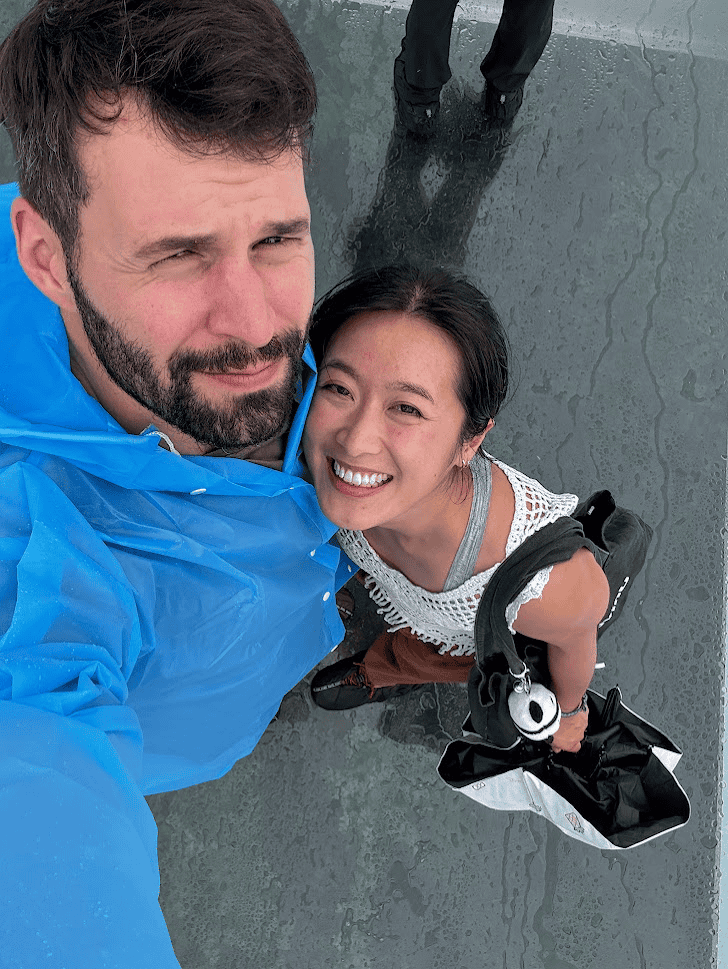
- The Umbrella: Beyond courage, an umbrella is your essential item. We experienced a rainy and overcast day. While this might sound disappointing, it made the experience unique and the air feel incredibly atmospheric. Don’t skip your visit due to clouds!
3. How Do I Get Great Photos on the Glass Bridge?
A rainy, overcast day might not sound ideal for photography, but it offers a unique advantage.
- Soft Lighting: The cloud cover acts like a giant softbox, eliminating harsh shadows and preventing glare on the glass. The moody atmosphere makes the surrounding peaks feel even more dramatic.
- Focus on Perspective: Use the glass floor as your frame. Look straight down and capture the dizzying distance below your feet.
- Capture Movement: Focus on the people around you and how they interact with the height. A photo showing someone gingerly stepping onto the glass adds tension and life to the image.
What is the Zhangjiajie Grand Canyon Descent Like? (Hike and Boat Ride)
Walking the Glass Bridge is only half the fun. The full experience involves descending into the canyon below.
We highly recommend taking the entire path, which includes a manageable hike followed by a scenic boat ride.
- The Hike Down: Once you exit the bridge, the path descends into the canyon. There are steep sections with stairs, but overall, it’s a very achievable and pleasant walk. It takes you right under the glass bridge, giving you a completely different perspective of the scale.
- The Boat Ride: The descent concludes with a relaxing boat ride across the water at the base of the canyon. This is a perfect way to rest your legs and soak in the natural beauty from water level. It’s a calm, beautiful contrast to the high-adrenaline walk above.
The full loop—bridge, hike, and boat—makes the entrance fee absolutely worthwhile.
Fitting the Glass Bridge into Your 3-Day Zhangjiajie Itinerary
The Glass Bridge is logistically separate from the main National Forest Park, making it ideal for a focused day trip.
Where to Stay in Zhangjiajie
Here’s something we wish we knew earlier: Zhangjiajie City is not the closest location to Zhangjiajie National Forest Park. If you intend only to visit the national forest park and the Grand Canyon, make sure you book accommodation close to the park for easy access. Staying nearer the park gates saves significant commuting time every day.
We loved our stay at Zhangjiajie Yazhuju Inn. We stayed for three nights, and it was a super nice spot with an awesome host. The inn’s character and the genuine hospitality made it one of our most memorable stays. The host made us feel right at home and was incredibly helpful, making our time in Zhangjiajie even better. You can check rates and availability for this inn or other great locations near the park entrance on Trip.com.
Recommended Itinerary
We recommend incorporating the Glass Bridge into a 3-day trip plan:
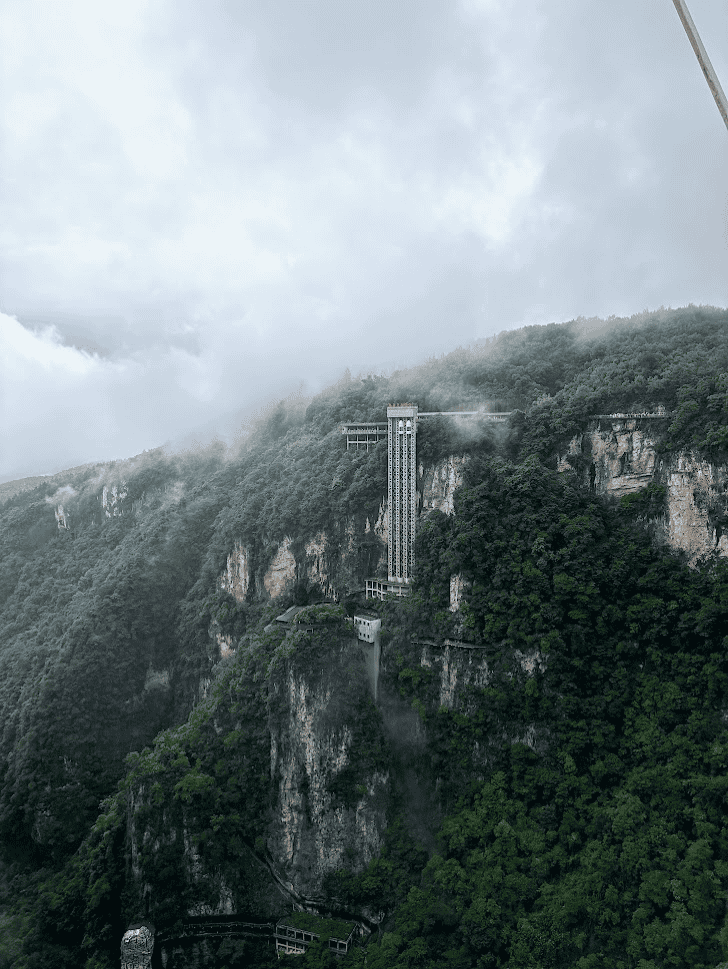
- Day 1 & 2: Dedicate these days to exploring the core of the Zhangjiajie National Forest Park, home of the famous Avatar-inspired floating mountains. This is where you’ll spend the most time hiking and taking cable cars. You’ll also want to ride the incredible Bailong Elevator (that huge, outdoor glass elevator you can see from the bridge!). It’s a breathtaking way to ascend the mountain and a must-do part of the Avatar mountains experience. For a detailed guide on navigating the park, check out our Zhangjiajie National Forest Park guide.
- Day 3: The Grand Canyon Experience: Dedicate this day to the Glass Bridge and the full Grand Canyon descent (hike and boat ride). Since it is located outside the main park, you can easily access it directly from your park-side accommodation.
This structure allows you to experience the vast natural wonders of the mountains and the modern thrill of the glass skywalk without rushing.
The Zhangjiajie Glass Bridge is more than just a novelty; it is a thrilling test of nerve combined with spectacular canyon views. Don’t let the height deter you—the sight of the canyon and the wild spectacle of the bungee jumpers make it an unforgettable stop on any China travel itinerary.
If you remember one thing, it should be this: The rainy weather made for better photos and fewer crowds. Don’t wait for a perfect sunny day. Embrace the atmosphere and conquer the fear!




Leave a Reply